The lake
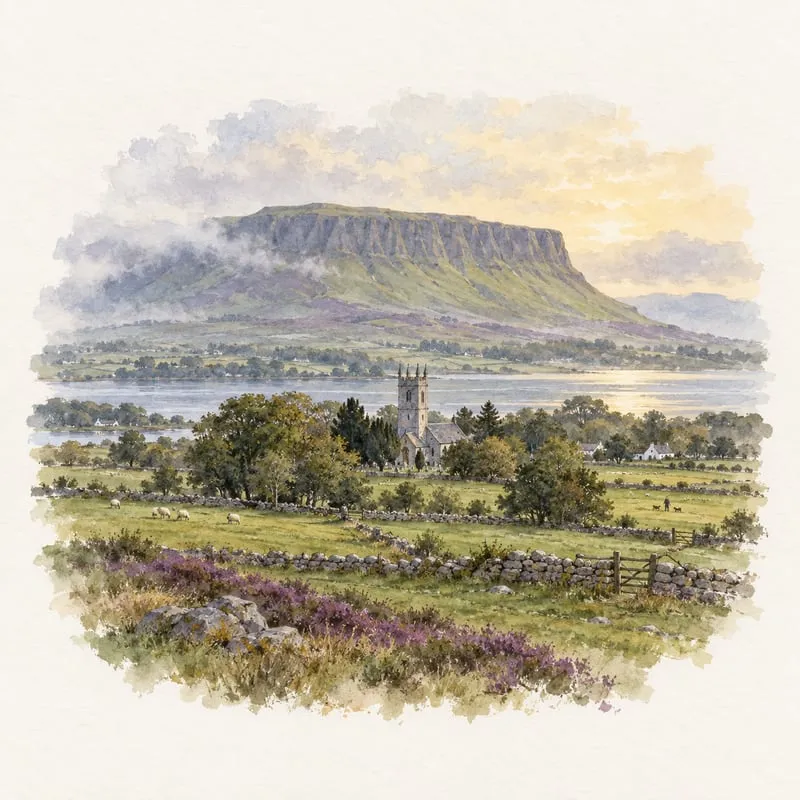
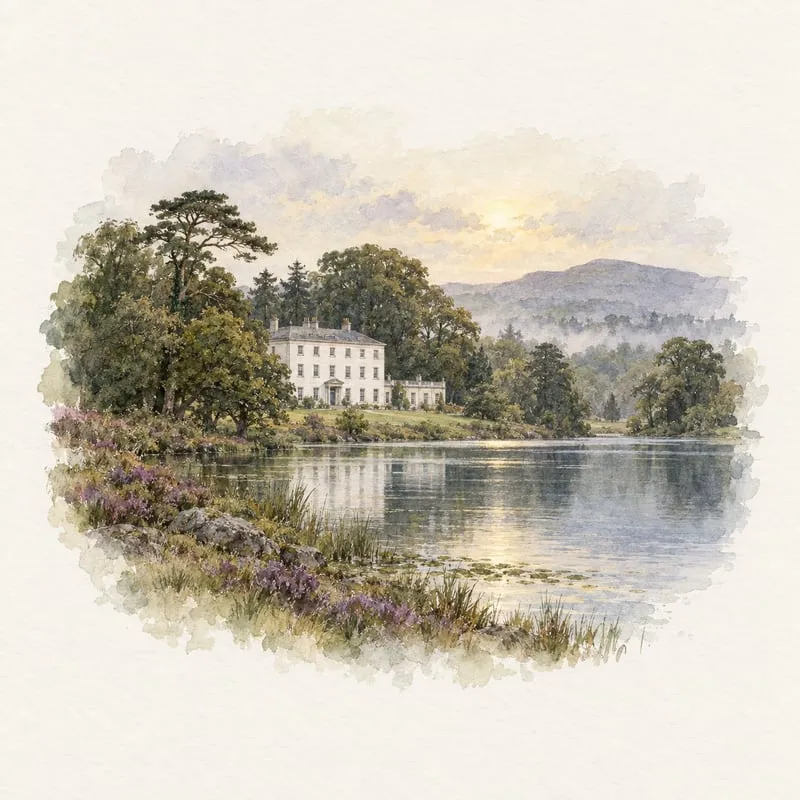
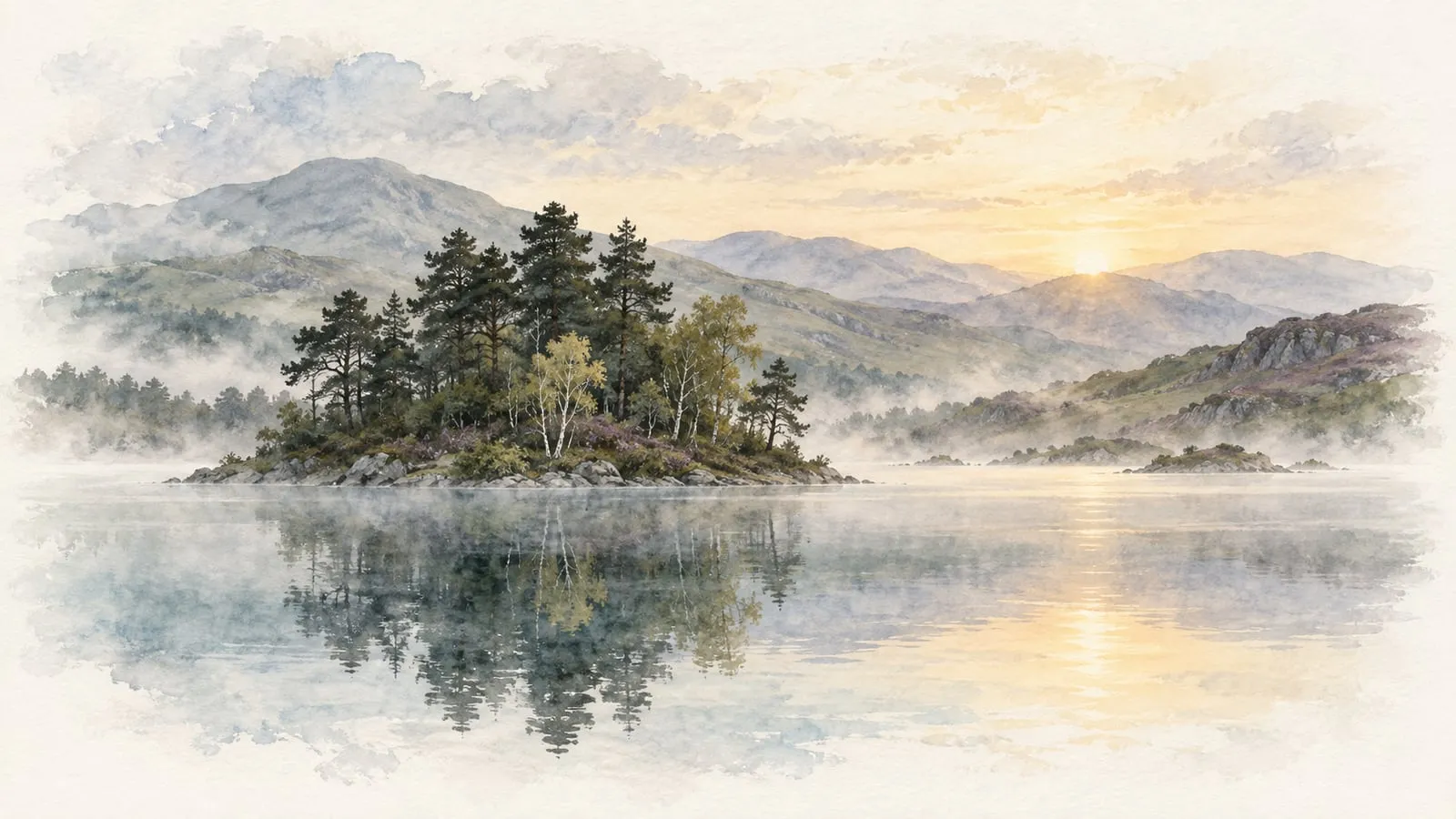
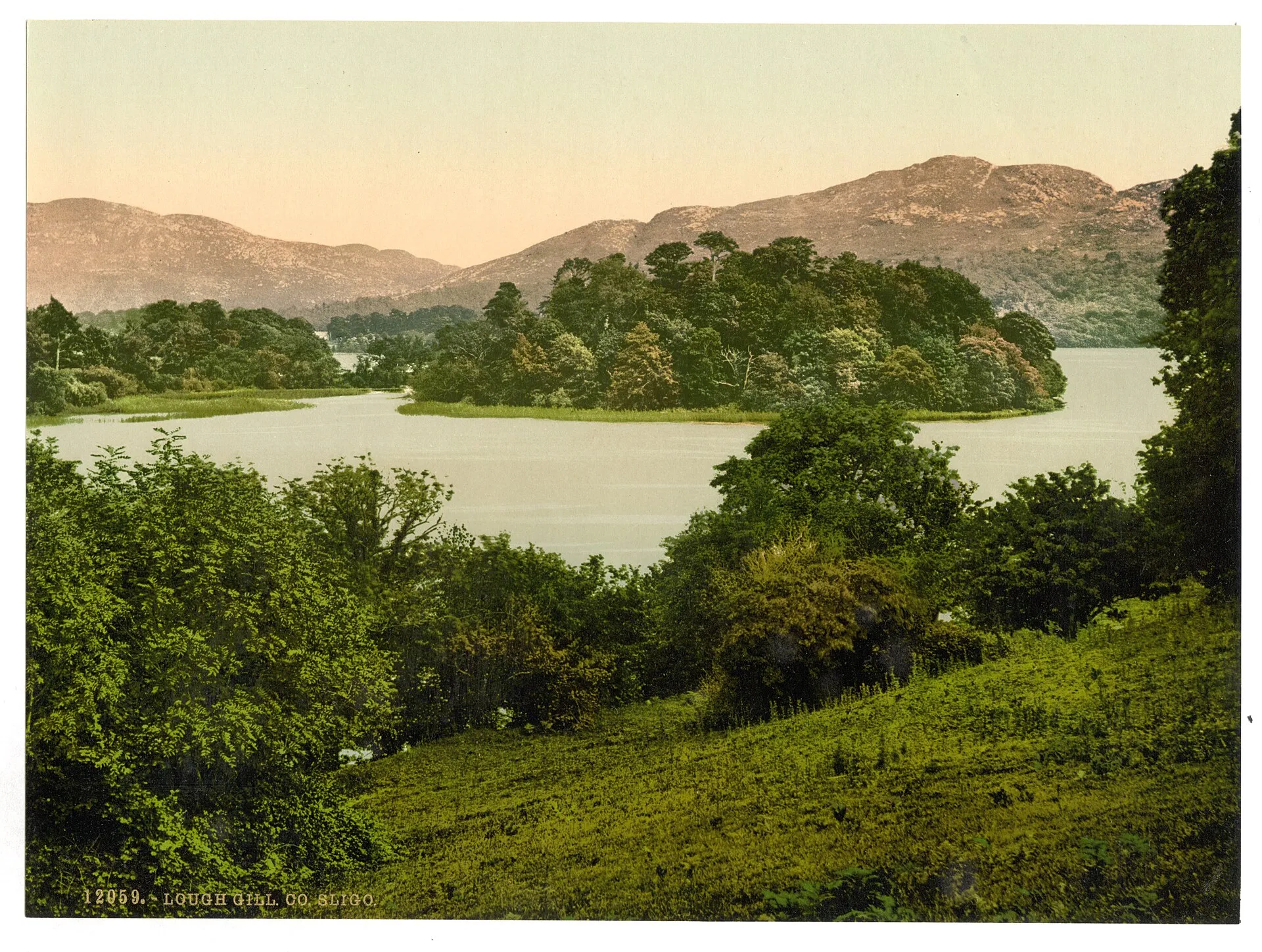
Lough Gill lies mainly in County Sligo, with its eastern end in County Leitrim. It is about 8 km long and 2 km wide. The Bonet River flows in at the eastern end, and the Garavogue drains it to the west, through Sligo town to the sea. Woods come down to the water along much of the shore: Hazelwood on the north-west, and Dooney Rock and Slish Wood on the south side.
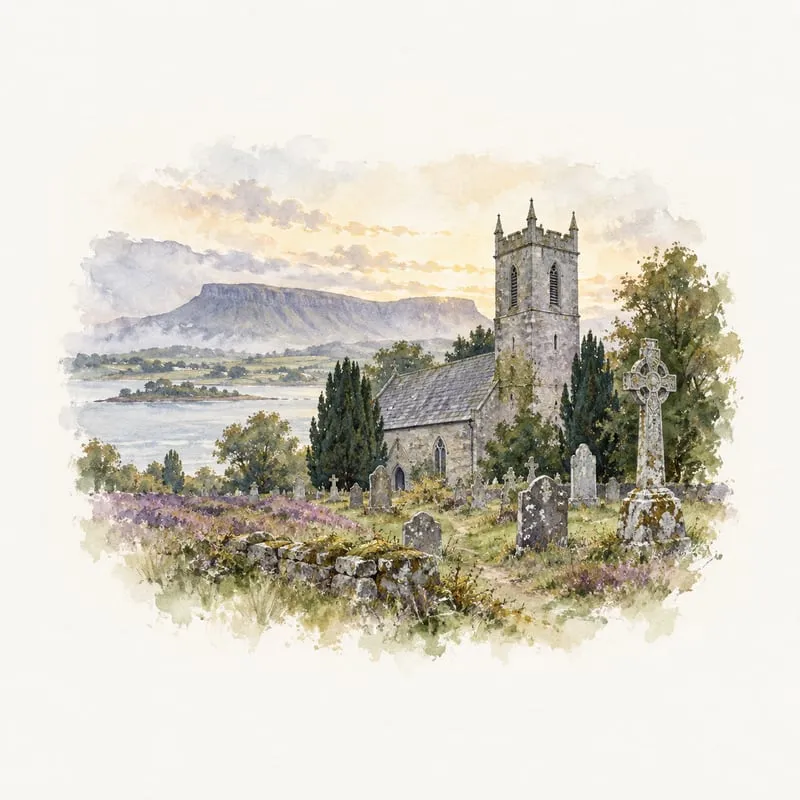
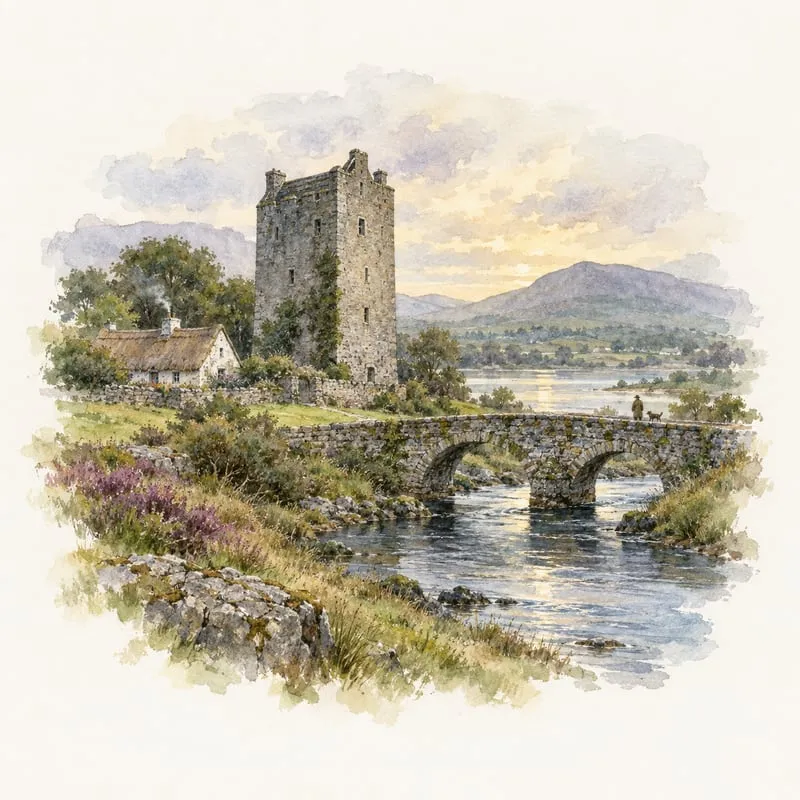
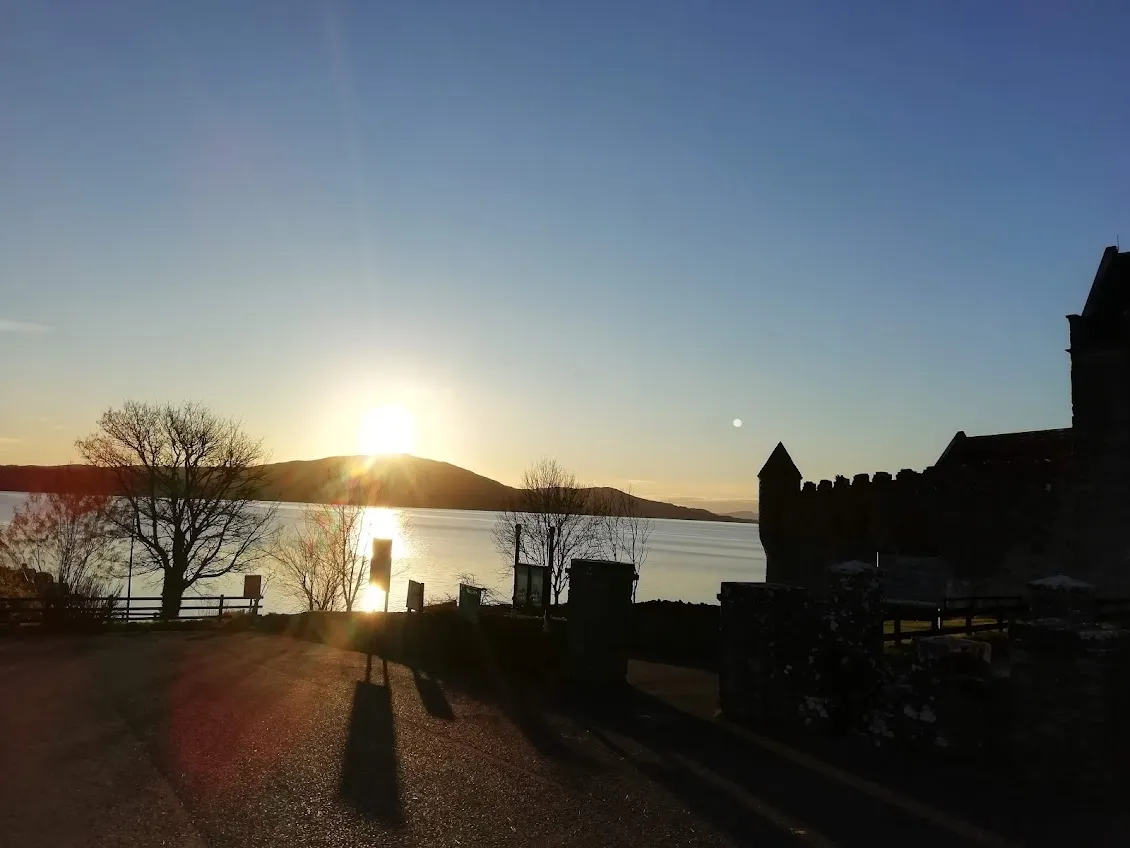
There are about twenty small islands. Church Island has the ruins of an old church; Innisfree, small, wooded and uninhabited, lies in the eastern part of the lake. On the northern shore in County Leitrim stands Parke's Castle, a fortified house built in the early seventeenth century by the planter Robert Parke on the site of an older tower house, now in the care of the Office of Public Works.
Yeats and the lake
Yeats spent long stretches of his childhood in Sligo with his mother's family, the Pollexfens, and the lake was part of that world. As a boy he read Thoreau's Walden, the account of a man living alone in a cabin by a pond in Massachusetts, and he dreamed of living the same way on Innisfree.
The poem came years later, in London. In 1888, walking down Fleet Street, he heard a small fountain in a shop window, one that balanced a little ball on its jet, and the sound brought back the lake water of Sligo. He described the moment in his autobiography. "The Lake Isle of Innisfree" was first printed in the National Observer on 13 December 1890 and collected in The Countess Kathleen and Various Legends and Lyrics in 1892. It became one of his most popular poems in his lifetime, rather to his annoyance, and it is still the poem most people know him by.
In the poems
"The Lake Isle of Innisfree" imagines a small cabin "of clay and wattles made", nine bean rows and a hive, and ends back on a grey city pavement, where the poet still hears the lake "in the deep heart's core". The island is a place of peace remembered from far away, not a place described from the shore.
The lake appears earlier in "The Stolen Child", written in 1886 and collected in The Wanderings of Oisin and Other Poems (1889). Its fairies hide their vats of berries and stolen cherries on a leafy island off "Sleuth Wood in the lake", Yeats's name for Slish Wood. "The Fiddler of Dooney" takes its name from Dooney Rock on the southern shore, and local tradition links the hazel wood of "The Song of Wandering Aengus" with Hazelwood, although the poem itself names no place.
Visiting today
Lough Gill is a short drive east of Sligo town, and roads run most of the way round it. Coillte, the state forestry company, manages walks at Slish Wood, a 3 km loop on the southern shore with views across the lake to Ben Bulben, and at Dooney Rock, where a short trail climbs the low summit above the water.
Innisfree is uninhabited. Most people see it from the water: in summer, boat trips on the lake leave from Sligo town. Parke's Castle on the northern shore is open to visitors; the Office of Public Works lists its times on the Heritage Ireland website.